NPU Programming Guide
This one-page summary is meant to accompany the NPU programming guide as a download handoff. After requesting access to the git, download the NPU Programming Guide PDF.
What The Guide Covers
The guide is a practical developer manual for programming BOS platforms built on top of the Tenstorrent NPU software stack. It explains:
- how to prepare the development environment
- what TT-Metal and TTNN are responsible for
- how tensors are represented, padded, tiled, and sharded
- how host-side and kernel-side programming fit together
- how model bring-up, validation, runtime evaluation, and optimization are expected to flow
- which debug and profiling tools are available during development
Why It Matters
The document is useful because it is not just an API dump. It connects the main layers of the stack:
- environment setup for getting the toolchain ready
- tensor fundamentals for understanding memory layout and execution behavior
- TTNN programming flow for turning a PyTorch model into a working NPU implementation
- runtime concepts such as program cache and command queues
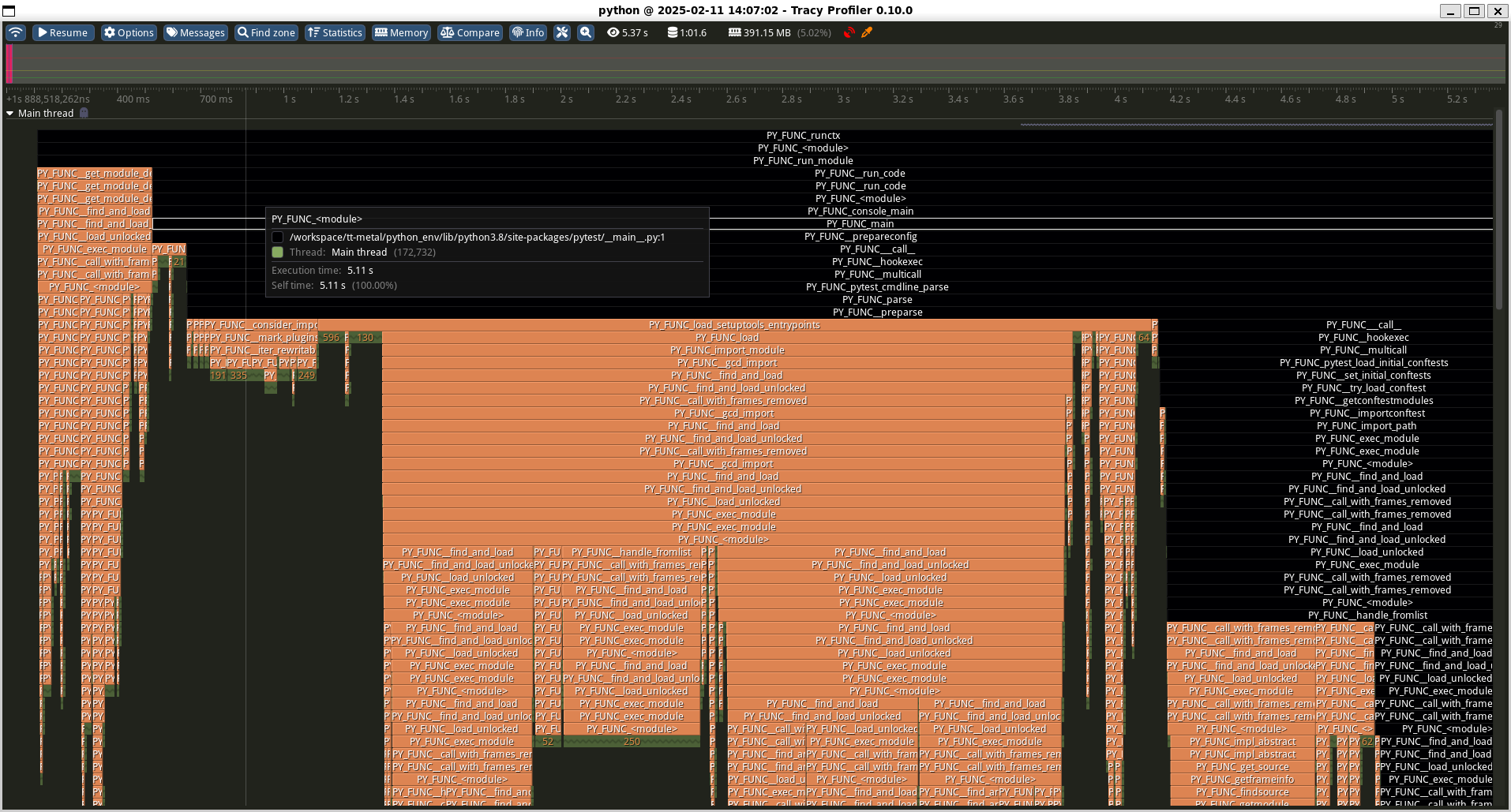
- debugging and profiling tools such as Tracy and visualization utilities
Key Takeaways
1. Tensor shape and padding are foundational
The guide spends time on how tensor dimensions map into tiles and why padded shapes matter for execution.

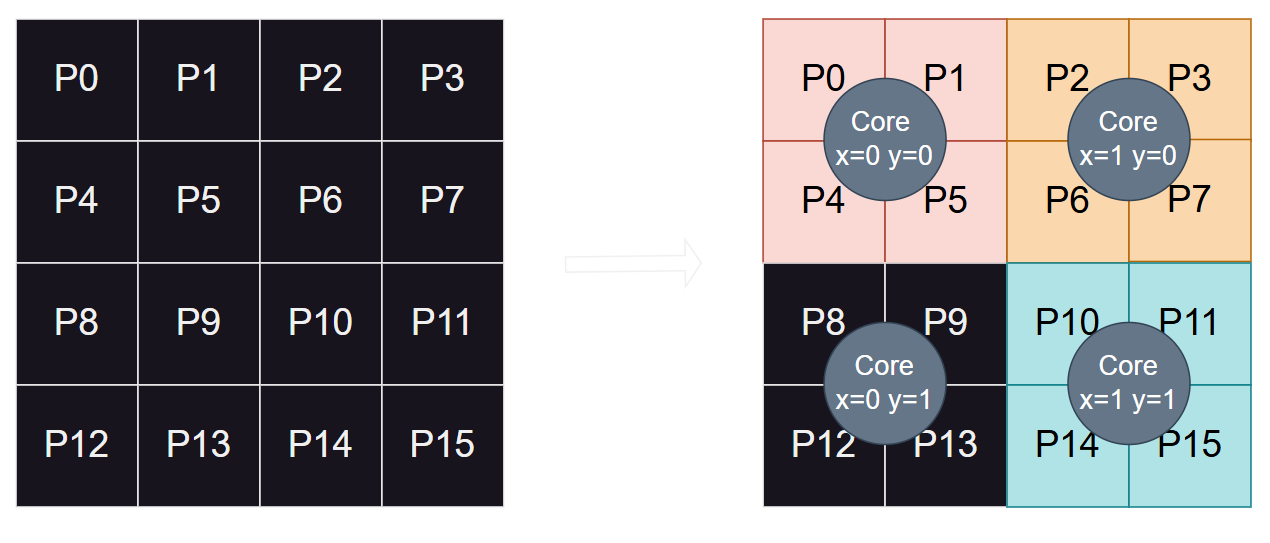
2. Sharding and layout affect performance
It shows how pages of a tensor are distributed across cores and memory resources, which is critical for scaling and optimization.
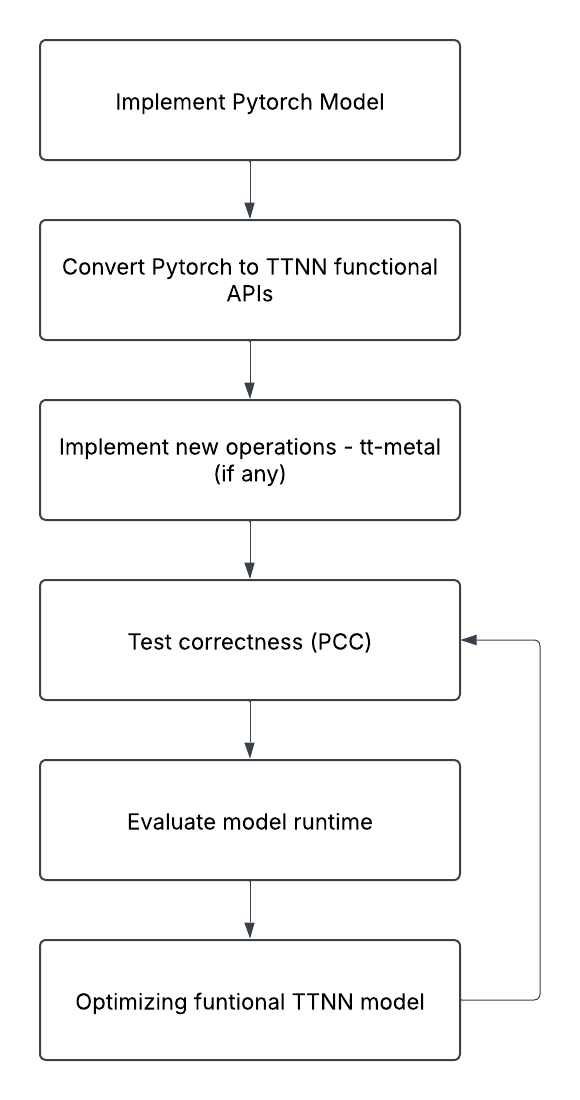
3. TTNN development follows a staged workflow
The document gives a clear model-development path: start from a PyTorch implementation, convert to TTNN functional APIs, add custom operations when needed, validate correctness, evaluate runtime, and optimize.
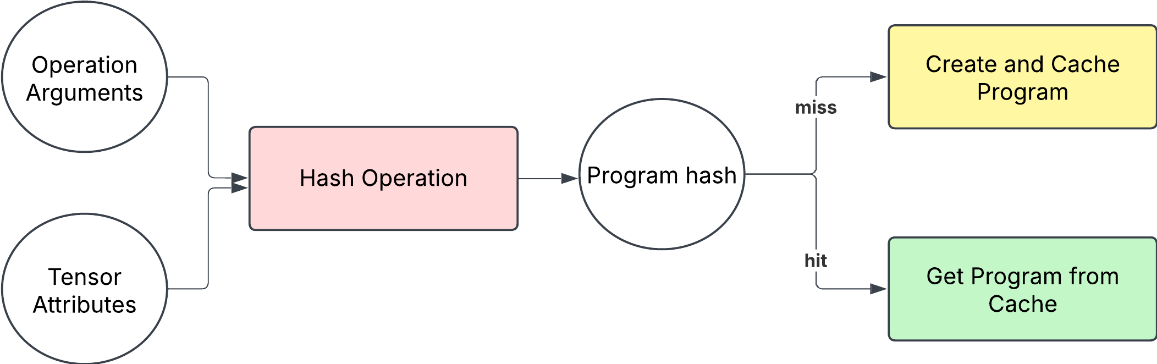
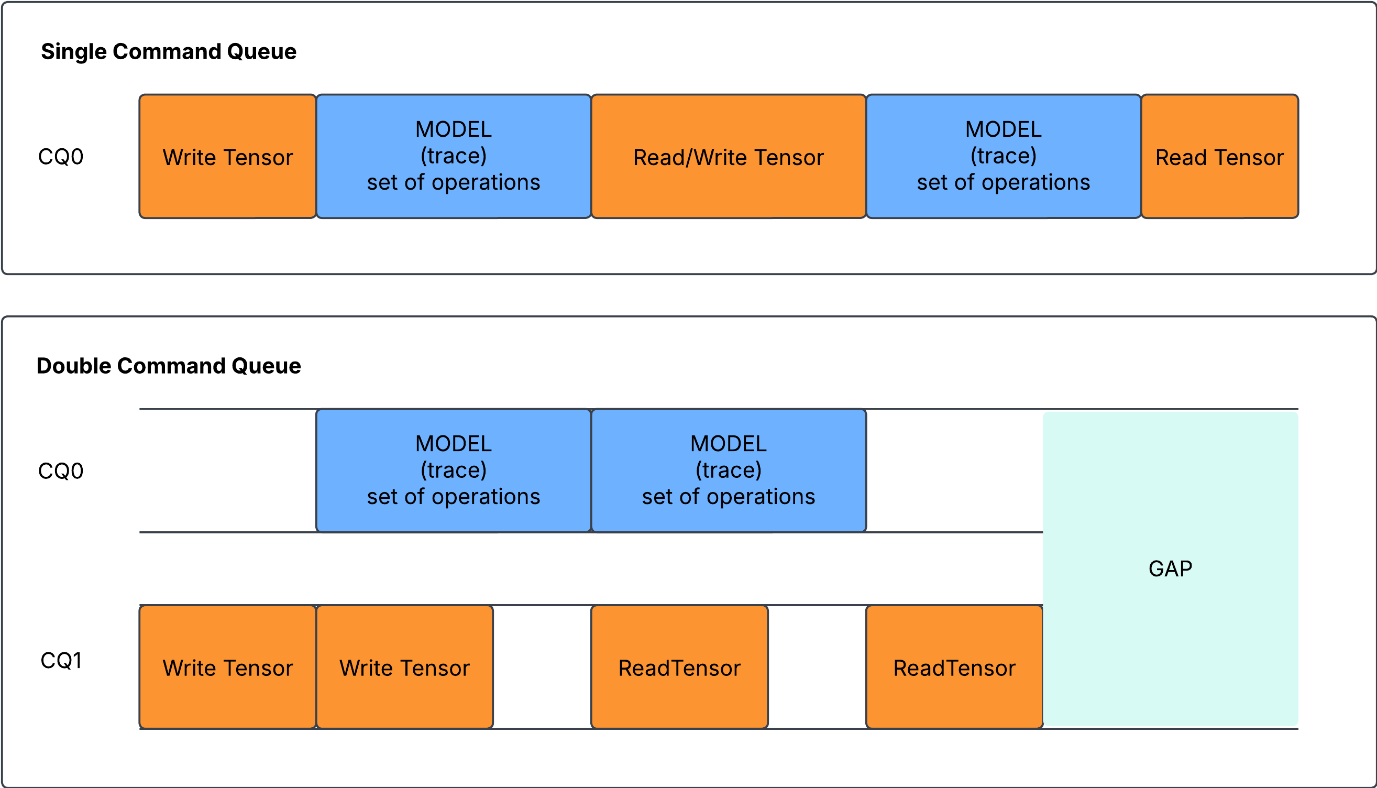
4. Runtime behavior is part of the programming model
Program caching and queueing are presented as practical runtime concepts rather than hidden internals.
5. Tooling is central, not optional
The guide highlights profiling and monitoring tools that help engineers understand what the runtime is doing and where performance can improve.
Main Sections At A Glance
| Section | Focus |
|---|---|
| Introduction | Scope of the guide and where TT-Metal / TTNN fit |
| Prerequisites | Firmware, tools, and installation choices |
| Development Environment Setup | Bringing up the software stack |
| TTNN | Tensor model, data types, layouts, and memory behavior |
| Programming Flow | Host programming, kernel programming, and operation bring-up |
| Monitor and Debug | Profiling, visualization, and runtime inspection |
| TTNN API List | Device, memory config, operations, conversion, and reports |
Best Use Of This Guide
This guide is best used as:
- an onboarding document for engineers new to the BOS NPU stack
- a bridge between model developers and low-level runtime concepts
- a reference when moving from model correctness to runtime optimization
- a companion download for teams evaluating the programming model
Suggested Download Positioning
If you present this document as a download, the best positioning is:
A practical introduction to the BOS / Tenstorrent NPU programming stack, from setup and tensor fundamentals to TTNN development flow, runtime behavior, and profiling tools.